Themes
What the Game Is Really About
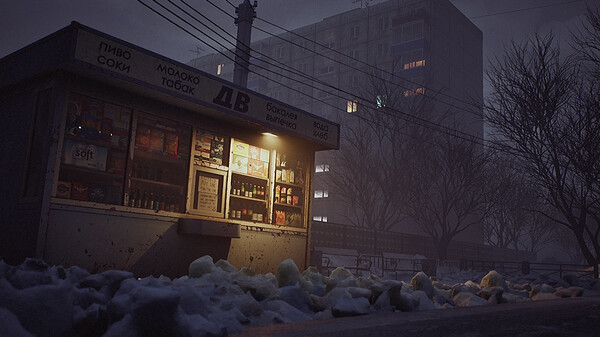
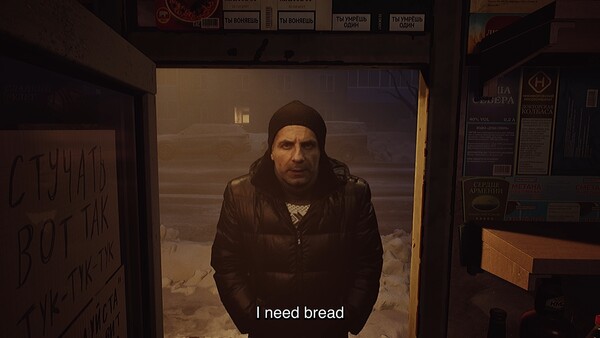
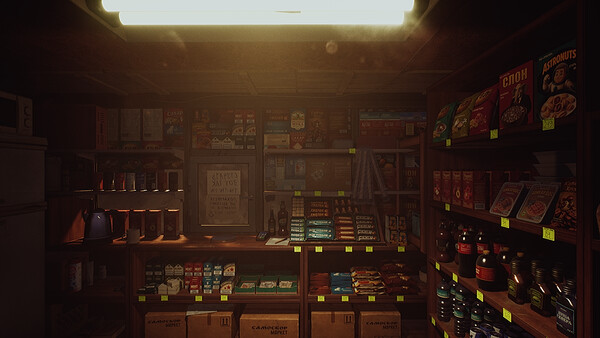
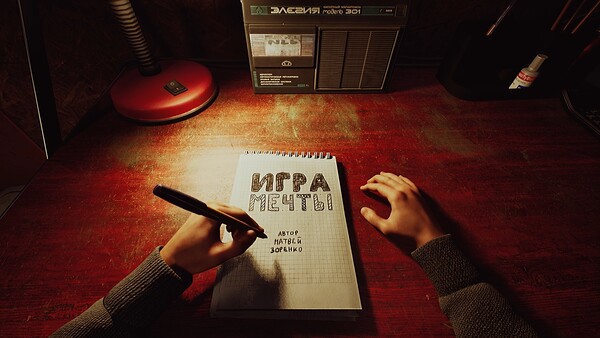
I Have No Changeis built around a deceptively simple premise: what happens in the space between one year and the next, when the people who come and go from a roadside kiosk are the only company you have? The game's themes emerge not from dramatic events but from the accumulation of small ones. Stagnation — the particular kind that isn't dramatic enough to be called a crisis — is the emotional center. Matvey isn't trapped in any obvious way. He could leave. He just hasn't. The game asks why, and lets the answer arrive through other people's stories rather than his own.
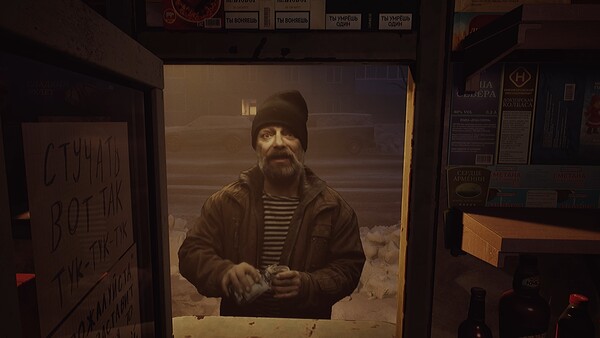
The customers who visit the kiosk carry their own versions of the same question. The old man who has been coming every New Year's Eve for years. The young woman waiting for a call that may mean everything or nothing. The teenager who is in such a hurry to reach a version of himself he hasn't become yet. Each of them is at some kind of threshold — and Matvey, behind his window, watches them cross it or not. The game's emotional intelligence lies in refusing to resolve these encounters cleanly.
What makes I Have No Changeunusual is that it takes seriously the idea that ordinary life contains the same weight as extraordinary life — it's just distributed differently. The conversations Matvey has over the course of one night are not life-changing in any narrative sense. But they are the kind that, replayed, might explain quite a lot.
In this way, the game sits alongside works like Coffee Talk and VA-11 Hall-Ain genre, but its emotional register is closer to literary fiction — the Russian tradition of finding the significant inside the mundane, the way Chekhov could make a walk home from a party feel like the summary of an entire life. Studio Rassvet isn't making a game about the night everything changed. They're making a game about the night that might have, and didn't, and what that feels like when you're the one who stayed behind the counter.